
Passover —This is a new beginning in our lives. We remember how the Lord delivered us from slavery in Egypt and how Yeshua delivered us from the bondage of sin. We participate in these great events from the history of our people and relive them. What helps us in this is the Passover Seder and a special 7-day diet. After all, the Lord has commanded us not to eat chametz («sourdough») 7 days, starting on Passover:
«And may this day be a memorial for you; celebrate this feast to the Lord throughout your generations; celebrate it as a perpetual ordinance. Eat unleavened bread for seven days; From the very first day, get rid of leaven from your homes, for whoever eats leaven from the first day through the seventh day, that person shall be cut off from the community of Israel.» (Torah, Exodus 12:14–15)
In other words, to celebrate Passover, it is necessary not only to stock up on matzo for seven days and other items for Seder (Learn more here), but also to destroy everything leavened on our property. But what does the word «leavened» mean?
What does the word «kvass» mean?
In the Torah chametz («leavened») refers to leavened dough or grain. Therefore, throughout the entire 7-day holiday, it is forbidden to consume or even store five types of grain («kitniyot» in Hebrew):
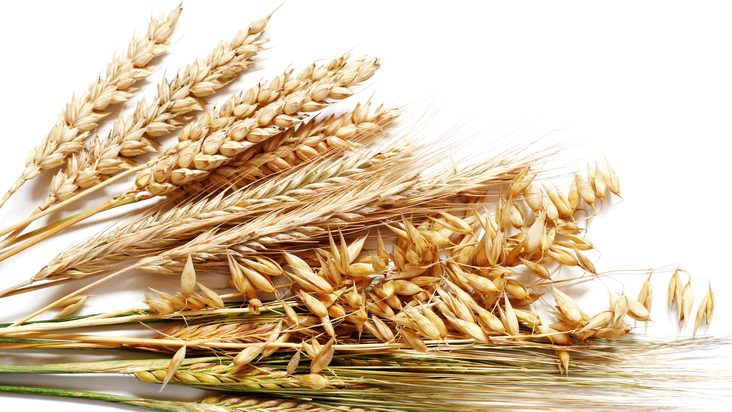
- WHEAT
- OVES
- RYE
- BARLEY
- SPELT
(Credit: ID 2719985 © Beata Becla | Dreamstime.com)
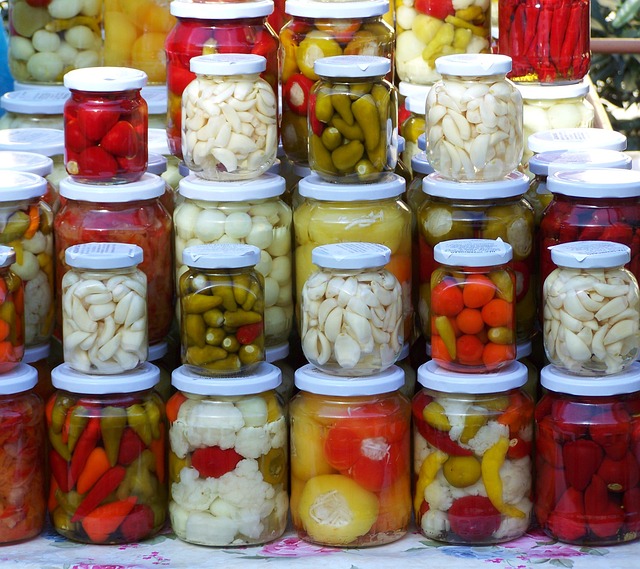
As well as all products containing kitniot, such as: flour, bread, pasta, crackers, cookies, and other baked goods and confectionery, sauces, fermented foods, wine, vodka, liqueurs, beer, kvass, etc., provided they contain kitniyot or products derived from kitniyot.
A Distinctive Feature of the Ashkenazi Tradition
Over time, Ashkenazi (European) Jews and some Sephardic (Eastern) communities took on the additional obligation not to consume during Passover grains and other foods similar to kitniyot. In other words, the following are also included in the kitniyot category: rice, alfalfa, peas, millet, chickpeas, fenugreek, sunflower seeds, mustard, buckwheat, cumin, vetch, beans, aronia, soybeans, lentils, broad beans, yellow lupine, poppy seeds, flaxseed, caraway, hemp, sesame, corn, clover, Indian tamarind, and saffron.
A week or two before Passover It's a good idea to go through all your pantry items and set aside (for example, in a box or container) anything made with sourdough. Before you start Passover You must either eat it, give it away, or throw it away. By the way, you should «sell» all the chametz («leavened» in Hebrew) to a non-Jewish neighbor before the start of Passover in order to, after Passover «Buying» it back again is, in essence, simply deceit. Is that what the Lord had in mind when He gave us the commandment regarding chametz?
So, how do you clean your house of chametz?
Before the start Passover We need to thoroughly clean the apartment, making sure to remove even the tiniest crumbs from the corners, crevices, and pockets of our clothes. This way, we get rid of all chametz. By evening Passover All of the products described above should have been either eaten or thrown away by this point.

In the evening, before the start Passover (and if Passover falls on Shabbat, then on the evening before), they perform «Bikkat Hametz» (searching for kvass) as a symbol of the completion of all preparations for Passover. The head of the household, armed with a candle or flashlight and a feather, walks through the entire apartment accompanied by the family, peering into every corner.
He begins this journey with a prayer:
Blessed are You, O Lord our God, King of the universe, who has sanctified us with His commandments and commanded us to remove leaven.
Baruch ata Adonai, Eloheinu, Melekh Haolam, who has sanctified us with His commandments and commanded us to remove chametz.
«Blessed are You, Lord, our God, King of the universe, who has sanctified us with Your commandments and commanded us to remove chametz.»
After a thorough search of the apartment, all the chametz («leavened bread») that has been found is placed in a napkin, and the head of the household says:
«All chametz and leaven in my possession that I have not found and destroyed shall be considered null and void and belonging to no one.»
The next morning (the morning before Passover), after breakfast and before lunch (for breakfast, you may still eat chametz that has been set aside in a box), all remaining chametz (even whatever is left in the box) is burned or thrown out of the house as trash, after which the final declaration is made:
«All chametz and leaven in my possession—whether visible or hidden, found or unfound, destroyed or undestroyed—shall be considered null and void and belonging to no one, like the dust of the earth.»
Now the house is ready for Easter Seder and seven days of the Easter diet! Happy Sukkot! («Happy Holidays!»)
(This guide was based on the book *Pesach: At Home and in the Community—Preparing for Passover at Home and in Public Places« and online resources (e.g., http://www.isrageo.com/2015/03/27/kitniet/).